
The vet tech program at Alhambra was the first option I seriously considered when I decided to turn my love for animals into a practical career.
I still remember standing in a small neighborhood clinic, watching a technician calmly assist during an emergency exam, and thinking this is exactly where I want to be.
That moment came after years of volunteering at shelters, cleaning kennels, and helping nervous pet owners feel at ease.
I realized passion alone was not enough, and I needed structured training that could prepare me for real clinical situations.
I began researching hands-on veterinary education and found a detailed breakdown of coursework, lab exposure, and clinical expectations through this vet tech program Alhambra resource.
Seeing how closely the curriculum matched real clinic workflows helped me feel confident about taking the next step.
Understanding What a Veterinary Technician Really Does
Before enrolling, I had a surface-level understanding of the role. I thought veterinary technicians only assisted vets during exams.
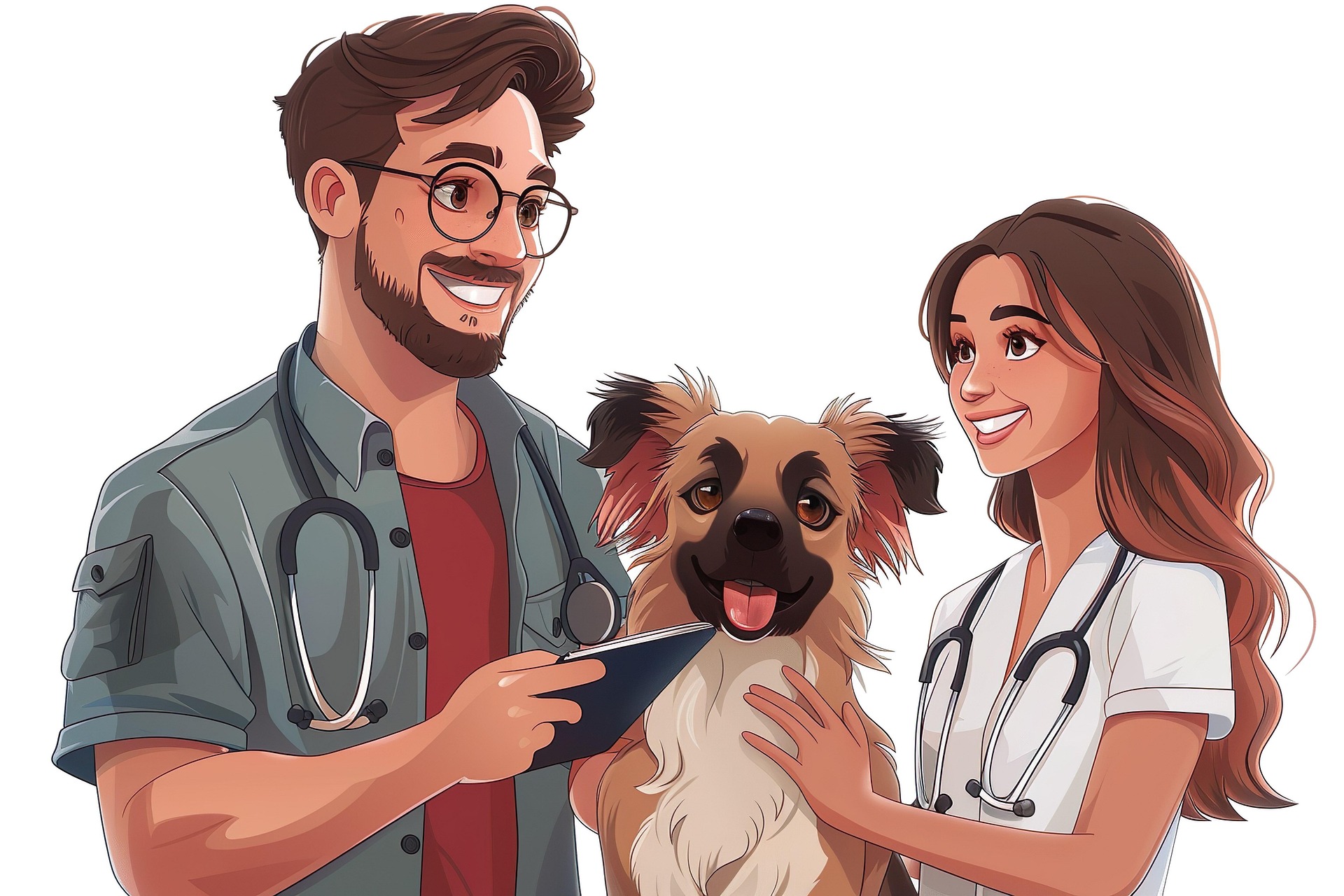
That assumption changed quickly.Veterinary technicians monitor anesthesia, run lab tests, handle radiology equipment, and communicate directly with pet owners.
During my first shadowing experience, I helped restrain a scared German Shepherd for bloodwork. The technician coached me through the process, explaining how calm body language can completely change an animal’s response. That lesson stuck with me more than anything I read online.
Learning in a Setting That Mirrors Real Clinics
What stood out early was the emphasis on clinical realism. Training environments that feel like actual veterinary practices reduce the shock of entering the workforce. I remember practicing animal handling techniques repeatedly until muscle memory kicked in.
Those repetitions mattered when I later assisted with a fractious cat that did not want its temperature taken. Instead of panicking, I relied on training. That confidence only comes from structured, hands-on instruction.
Labs That Prepare You for Pressure
Lab sessions were not rushed or superficial. Each exercise built on the last, reinforcing accuracy and efficiency. When we learned diagnostic imaging, we practiced proper positioning until the images came out clean. That attention to detail translates directly into better patient outcomes.
The Emotional Side of Animal Care
Veterinary medicine is not only technical. It is emotional, unpredictable, and sometimes heavy. One afternoon, a senior dog came in for end-of-life care. The technician guiding me explained how compassion matters just as much as clinical skill. Watching her comfort the owner while staying focused on the procedure taught me what professionalism really means. That moment reshaped how I view animal healthcare as a balance of empathy and precision.
Career Skills Beyond the Exam Room
Technical ability alone does not guarantee success. Communication and teamwork are essential in veterinary settings. We practiced explaining procedures in plain language, especially to anxious pet owners.
Those role-playing scenarios felt awkward at first but paid off later. In one externship, I had to explain post-operative care instructions clearly and calmly. The owner thanked me for making the process simple, and that felt like a real win.
Time Management in Fast-Paced Clinics
Clinics move fast. Learning how to prioritize tasks is critical. During training, we rotated through scenarios that simulated busy mornings. Balancing lab work, patient prep, and record keeping became second nature over time.
Preparing for Long-Term Growth
Veterinary technology is not a dead-end role. It opens doors to specialization, leadership, and continued learning. I met technicians who advanced into dental care, emergency medicine, and lab management.
Seeing their career paths helped me visualize my own future in this field. Education that builds a strong foundation makes those options realistic rather than aspirational.
Why Location and Community Matter
Learning close to home made a difference. Being part of a local veterinary community created networking opportunity early on.
I connected with clinics that later became externship sites. Those relationships eased the transition from student to working professional.
Final Thoughts From Real Experience
Choosing a veterinary technology path is not about chasing a trend. It is about committing to patient care, lifelong learning, and emotional resilience.
My experience taught me that quality training shapes how you respond under pressure. It also shapes how you treat animals and the people who love them. For anyone serious about entering animal healthcare, the right educational foundation changes everything.


Leave a Reply