
Cats are naturally curious animals, and many of them show a strong interest in the sights, sounds, and scents of the outdoors. Fresh air, moving leaves, insects, birds, and changing weather can all offer stimulation that indoor spaces sometimes cannot fully match. At the same time, letting a cat roam freely can expose it to traffic, other animals, toxins, and the possibility of getting lost. A cat fence helps create a middle ground by allowing outdoor access in a more controlled setting. This can support enrichment, movement, and exploration while reducing many of the dangers connected to unrestricted wandering beyond the home.
Why Safe Outdoor Enrichment Matters for Cats

Outdoor enrichment gives cats access to a wider sensory world than any indoor space can fully replicate. Fresh air, natural textures, seasonal smells, and the movement of birds and insects all contribute to a more engaged, alert, and satisfied cat. The challenge is that these benefits usually come packaged with real risks when a cat is allowed to roam freely. A cat fence supports enrichment in a way that keeps those risks out of the picture, letting outdoor time stay stimulating without becoming unpredictable.
- Outdoor Stimulation Matters for a Curious Animal
A cat’s daily environment plays a large role in mood, activity level, and overall behavior. Indoor life can provide safety, but it can also become repetitive when the same rooms, sounds, and objects appear every day with little variation. Outdoor access in a contained area can help change that pattern. A cat fence supports enrichment by giving the cat a place to watch birds, smell plants, notice wind movement, hear neighborhood activity, and explore natural textures underfoot without leaving the property. That kind of stimulation matters because curiosity is not a problem to remove from a cat’s life. It is part of what makes the animal alert, playful, and mentally engaged. When a cat has opportunities to observe and investigate in a safe outdoor setting, the day often feels more varied and satisfying. Instead of relying only on indoor windowsills or short supervised outings, the home can offer a more dynamic experience that still respects the cat’s safety and the owner’s need for peace of mind.
- A Fence Creates Freedom Without Uncontrolled Roaming
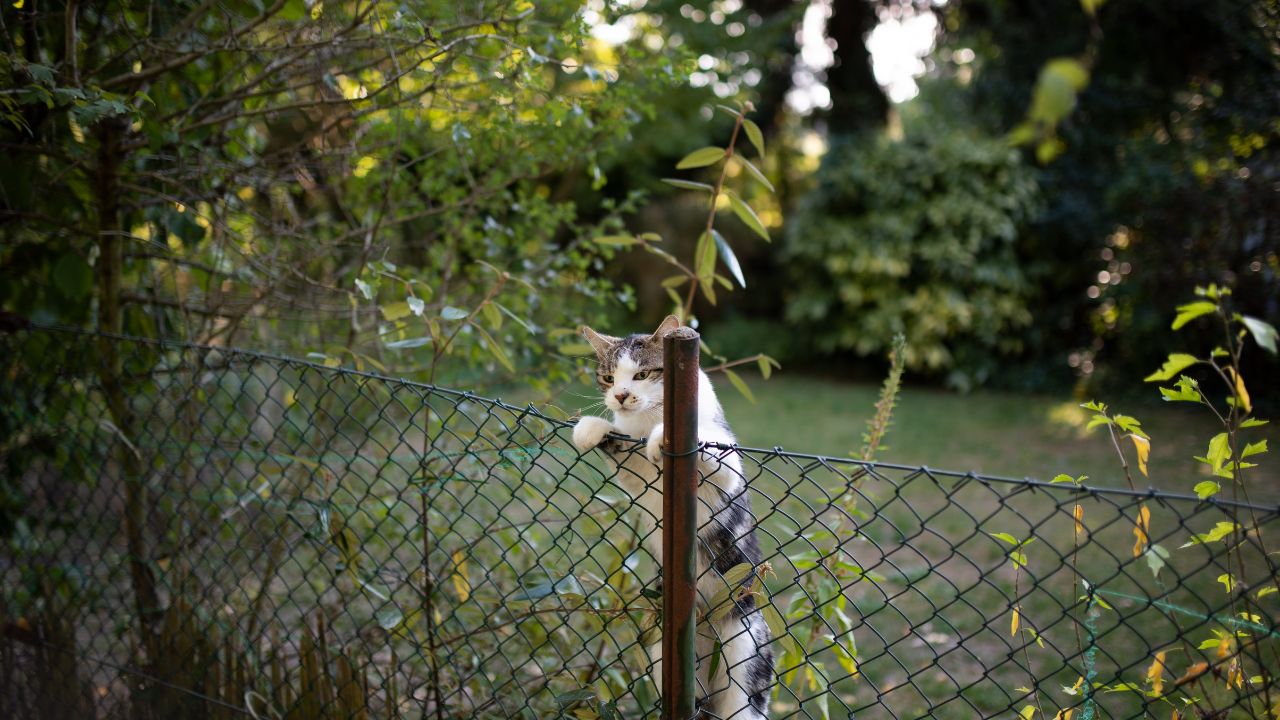
One of the strongest reasons a cat fence matters is that it gives a cat meaningful outdoor access without turning every moment outside into a risk. Free roaming can seem natural at first glance, but it leaves too much to chance. Roads, loose dogs, wildlife, harmful plants, harsh weather, and unfamiliar people can all quickly become part of a cat’s environment. A contained outdoor space changes that balance. A Cat fence helps define where the cat can move while keeping exploration tied to a familiar home setting. This means the cat can enjoy sunlight, grass, shade, climbing areas, and sensory changes without disappearing over a wall, slipping under a gate, or wandering into a street. The result is not a loss of freedom so much as a different kind of freedom, one shaped by protection rather than exposure. For many households, that balance makes outdoor time feel realistic and sustainable because the cat still has a richer environment. In contrast, the owner no longer has to choose between full confinement and the unpredictability of unrestricted roaming.
- Routine Outdoor Access Can Support Better Behavior Indoors
Cats often show clearer signs of restlessness when their environment does not offer enough stimulation. That restlessness may appear as excessive vocalizing, scratching, pacing near doors, or repeated attempts to dart outside whenever an entry point opens. A cat fence can help reduce some of that tension by creating a dependable outdoor routine that gives the animal another place to explore and move around. When a cat knows it can safely spend time in a contained outdoor area, the desire to force its way into unknown spaces may lessen. This matters because enrichment is often tied closely to behavior. A cat that has more chances to climb, observe, sniff, and patrol a secure outside area may return indoors more settled and more satisfied. The goal is not to tire the cat out in a simple physical sense, but to give its curiosity something appropriate to go to. That kind of outlet can make indoor life feel calmer because the cat is no longer relying entirely on indoor furniture, closed doors, or household activity for novelty and stimulation.
- The Yard Becomes a Shared Space Instead of a Hazard
A contained outdoor area can also change how the household thinks about the yard itself. Without a secure boundary, the yard may feel unusable for a cat because any moment outside could lead to escape. With a cat fence in place, the outdoor space begins functioning more like part of the home. Owners can add resting spots, shaded corners, platforms, scratching posts, tunnels, or simple observation areas that give the cat reasons to engage positively with the environment. This helps turn the yard into a place of intentional enrichment rather than an unpredictable threshold between safety and danger. It also allows the owner to enjoy outdoor time with the cat in a more relaxed way. Instead of constant monitoring, chasing, or fear that the cat will vanish over a boundary, the household can treat the outdoor area as a managed extension of home life. That shift matters because enrichment works better when it can happen regularly and naturally, not only in brief, stressful moments shaped by worry about what could go wrong.
- Contained Access Protects More Than the Cat Alone
A cat fence supports safety in another important way by helping protect the surrounding environment. Free-roaming cats can encounter or affect neighborhood wildlife, enter neighboring yards, or become involved in repeated conflicts with other animals. A contained setup helps reduce those interactions by keeping the cat within a known area. This creates a more respectful balance between the cat’s needs and the wider outdoor environment. It also lowers the chance of the cat bringing home injuries, parasites, or stress from repeated territorial encounters beyond the property line. For the owner, that means outdoor enrichment does not have to come with the same level of uncertainty about what the cat is doing when out of sight. For the cat, it means time outside can remain centered on observation, play, and sensory engagement rather than on survival-oriented challenges that come with roaming farther and farther from home. In that sense, the fence supports a calmer form of outdoor life, one where stimulation remains present, but the surrounding risks are meaningfully reduced.
- Long-Term Enrichment Works Better When It Feels Sustainable
Outdoor access is most helpful when it can become part of normal life over time rather than an occasional exception. A cat fence helps make that possible by turning enrichment into something repeatable. Instead of opening the door only when conditions feel perfect or when someone has time for intense supervision, the household can create a more dependable pattern of outdoor access that fits daily routines. This is important because enrichment is not usually built through one dramatic experience. It grows through regular opportunities to explore, observe, and interact with a changing environment. A secure outdoor area can support that kind of consistency. Morning sun, evening air, seasonal smells, shifting shadows, and changing sounds all create variety without requiring the cat to leave the property. Over time, this gives the cat a broader range of life experiences while still keeping the home as its secure center. That combination of routine and variety often makes enrichment more meaningful because it becomes part of how the cat lives, not just a rare event added on when circumstances allow.
A cat fence supports outdoor enrichment without the risks of free roaming by providing a safer way for cats to enjoy fresh air, movement, and natural stimulation. It allows curiosity to be expressed in a protected setting rather than pushing the cat into traffic, conflict, or the possibility of getting lost. This kind of setup can support better behavior, more daily engagement, and a stronger connection between the cat and its environment. Instead of treating outdoor access as all-or-nothing, a cat fence offers a more balanced approach that supports enrichment while keeping safety and long-term peace of mind closely connected.
Frequently Asked Questions
Do cat fences actually work, or will a determined cat just climb over?
Cat fences are designed specifically to prevent climbing and escape attempts, which is what makes them different from standard fencing. Most systems use an angled top section, a rollover bar, or a wireless boundary that discourages the cat from reaching the top edge in the first place. Physical cat fences rely on design that removes the grip needed for climbing, while wireless systems create an invisible boundary the cat learns to recognize through training. When set up and installed correctly, both types work well even for confident, athletic cats.
Can indoor cats safely transition to using a cat fence?
Yes, indoor cats can transition to outdoor access through a cat fence, though the process should be gradual. Cats that have lived exclusively indoors are often overstimulated by their first outdoor experiences, so short supervised sessions work best in the beginning. Over one to two weeks, most cats settle into the contained outdoor space and begin exploring more confidently. The secure boundary makes this transition safer than opening the door to unrestricted access, since the cat can build outdoor confidence without the risks of wandering into traffic or unfamiliar territory.
What size yard do I need for a cat fence to be effective?
Cat fences work in yards of nearly any size, from small urban gardens to multi-acre properties. What matters more than the total size is how the space is arranged. Even a compact yard can offer meaningful enrichment when it includes elements like shaded resting areas, safe climbing spots, and varied ground textures. For larger yards, the fence can be sized to enclose the full perimeter or just a section closer to the house. The most important factor is that the boundary is complete and consistent, with no gaps that could allow the cat to slip through.


Leave a Reply